


The ERP-first approach is a philosophy that asserts that when solving a business problem or launching a new capability, the first step should always be to evaluate what the ERP can do.
Digital Transformation

SAP Joule isn’t just a new feature—it’s a paradigm shift in how enterprises harness their data, workflows, and expertise
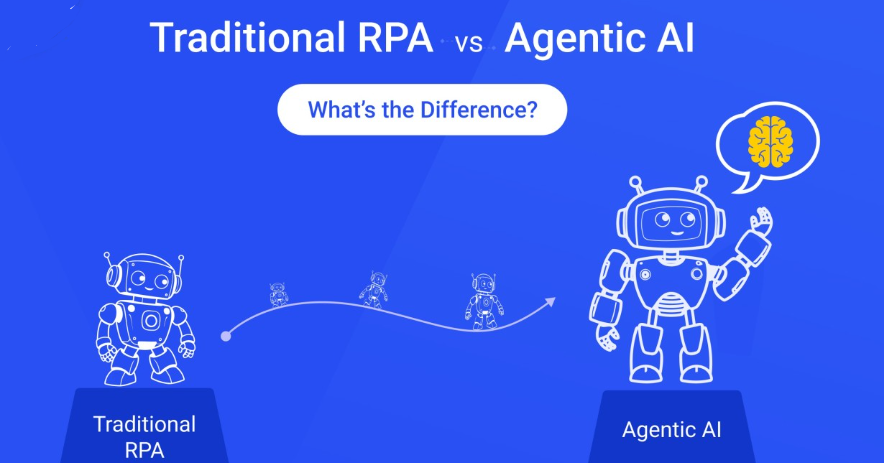
Agentic automation doesn’t eliminate RPA—it extends it. It’s the missing layer that connects bots, APIs, documents, and people into an intelligent system that drives outcomes.
The Department of Defense (DoD) created CMMC to raise the bar on cybersecurity across the Defense Industrial Base (DIB). We’re talking about hundreds of thousands of contractors and subcontractors who may have access to Controlled Unclassified Information (CUI).

Cyber threats are constantly evolving, but small businesses don’t have to be defenseless. Implementing these measures not only protects sensitive information but also ensures long-term operational stability.
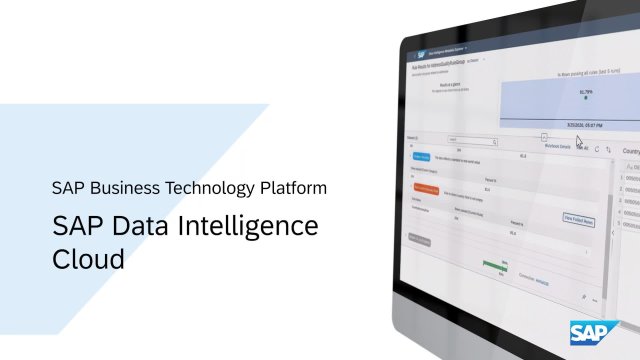
Data is no longer just a byproduct of business operations; it’s a critical asset that drives decision-making, innovation, and growth.
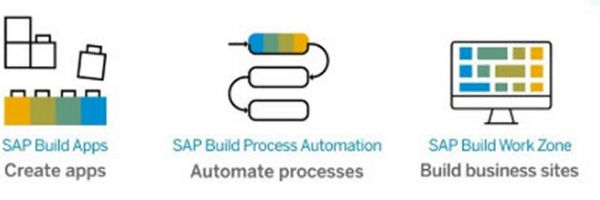
Discover SAP Build, the advanced platform that simplifies application development through low-code and no-code tools.

SAP development tools play a crucial role in helping organizations develop, customize, and integrate their SAP systems

Software robots are easy to design, build, and deploy. They don’t require complex coding like integration platforms do. So, when considering a digital transformation strategy, RPA can be the driver of short-term success and ROI
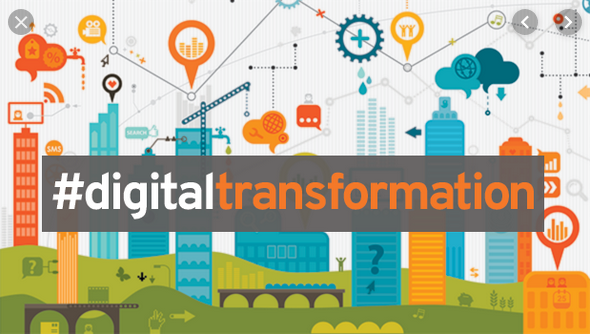
Digital transformation involves using digital technologies to remake a process to become more efficient or effective. The idea is to use technology not just to replicate an existing process in a digital form, but to use technology to transform that process into something significantly better. Digital transformation can involve many different technologies but the hottest topics right now are cloud, IoT, big data, RPA, and artificial intelligence.