

Discover the importance of Python in SAP development, enhancing flexibility and performance in enterprise resource planning.
S4Hana
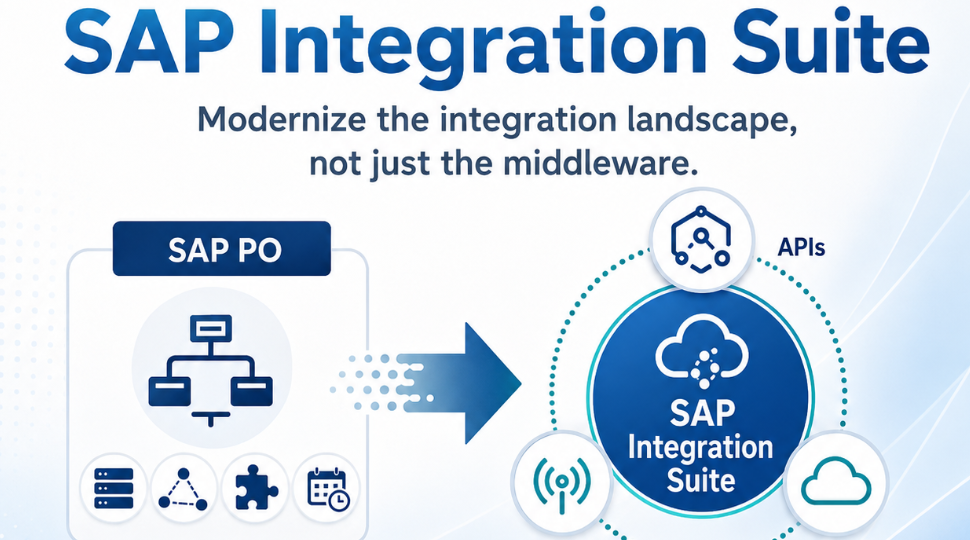
Explore the benefits of migrating SAP Process Orchestration to Integration Suite as a rare architectural opportunity for modernization
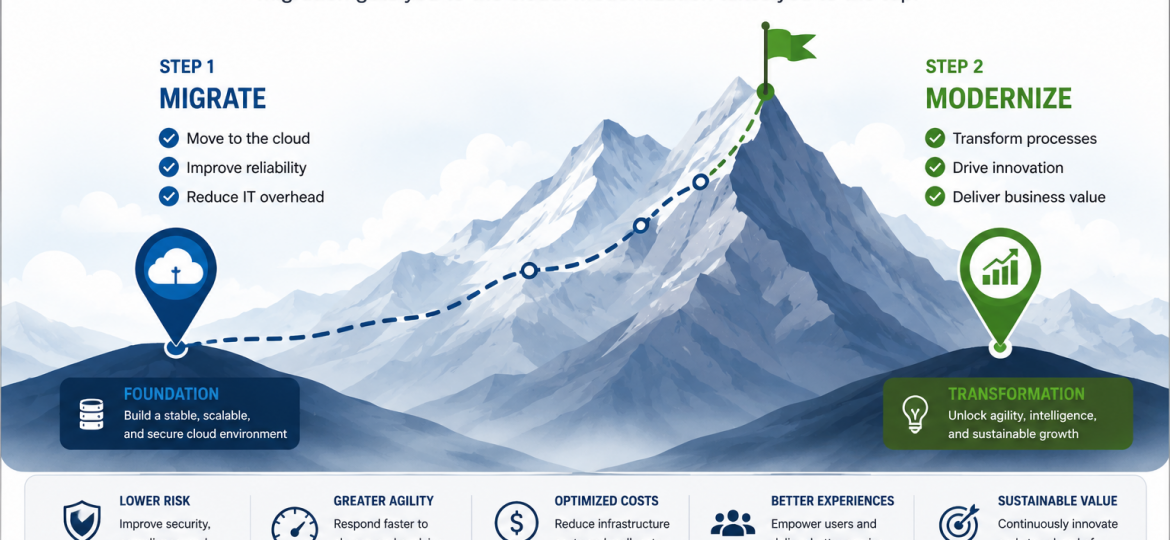
Modernizing SAP requires more than moving to the cloud. Learn how organizations reduce technical debt, simplify operations, and prepare for AI
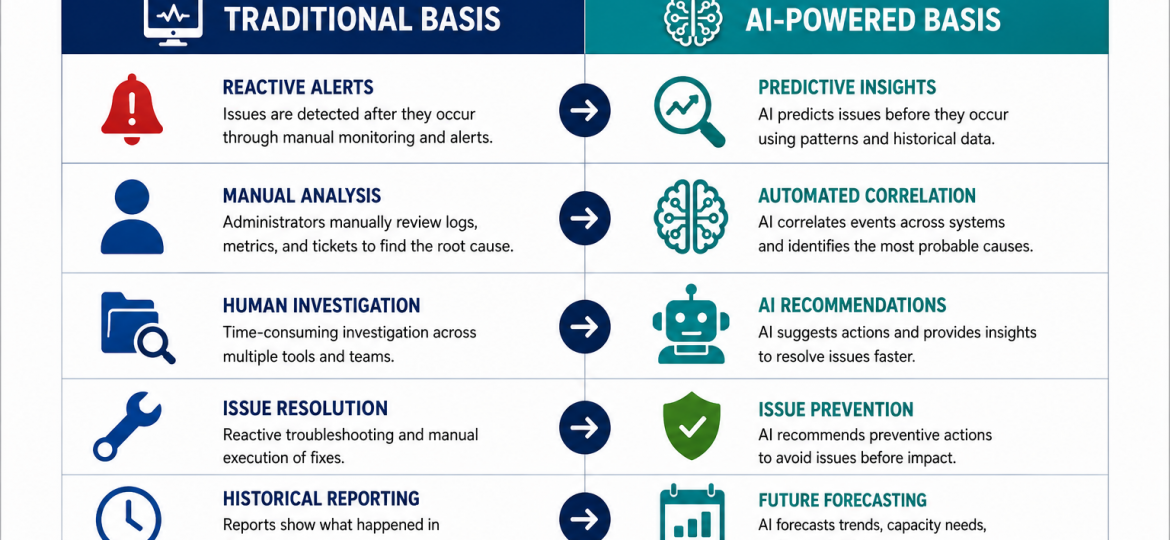
Discover how AI is transforming SAP Basis from reactive monitoring to intelligent operations, enabling predictive insights, automation, and greater mission resilience.
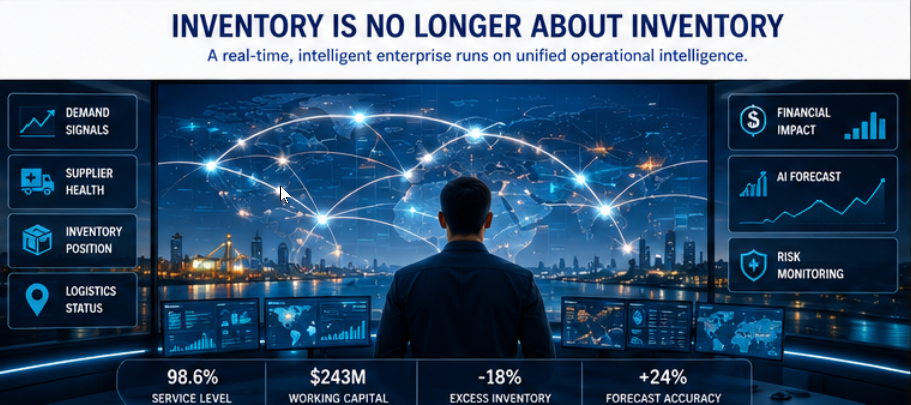
There was a time when inventory management was mostly a math problem. If the warehouses stayed reasonably full and customers were mostly satisfied, leadership considered the operation successful. That world is gone
A MES (Manufacturing Execution System) is a software solution that helps manufacturers plan, execute and monitor their production activities in real-time. The SAP Digital Manufacturing and EWM integration, provides an efficient way to manage material staging in your manufacturing processes.
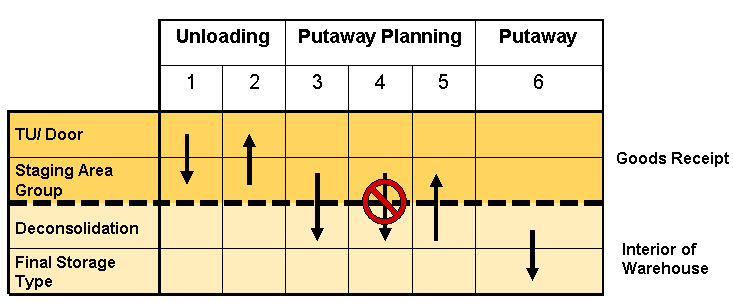
Extended Warehouse Management (EWM) updates the inbound delivery corresponding to the goods receipt activities. For the goods receipt process (GR process), EWM maps the warehouse with the goods receipt and interior of the warehouse areas.
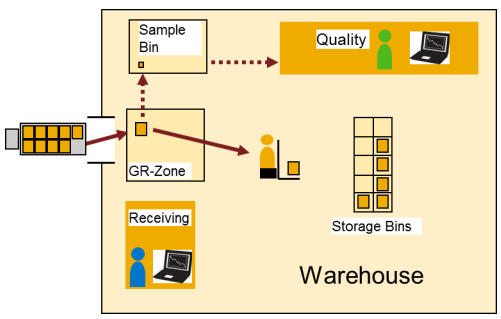
Configuring EWM SAP record inspection and usage decisions for the partial quantities of an inspection lot, when, for example, only some of the stock items in the inspection lot are of good quality.
SAP has provided tons of enhancements options in SAP EWM, however, this blog is written to explain the 3 most used enhancements in EWM implementation projects.
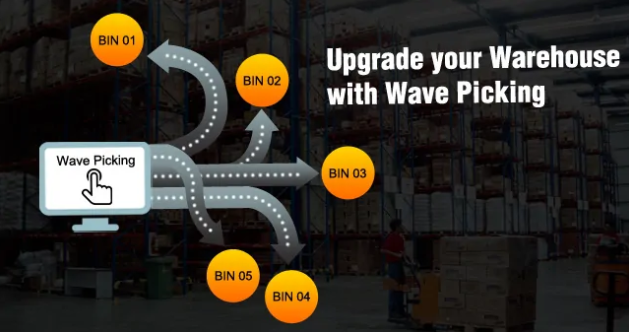
Waves are the grouping of warehouse request items and In EWM, you can group the warehouse request items (such as the ODO items) into waves to manage the process and optimize the warehouse processing.